Feb. 12, 2026
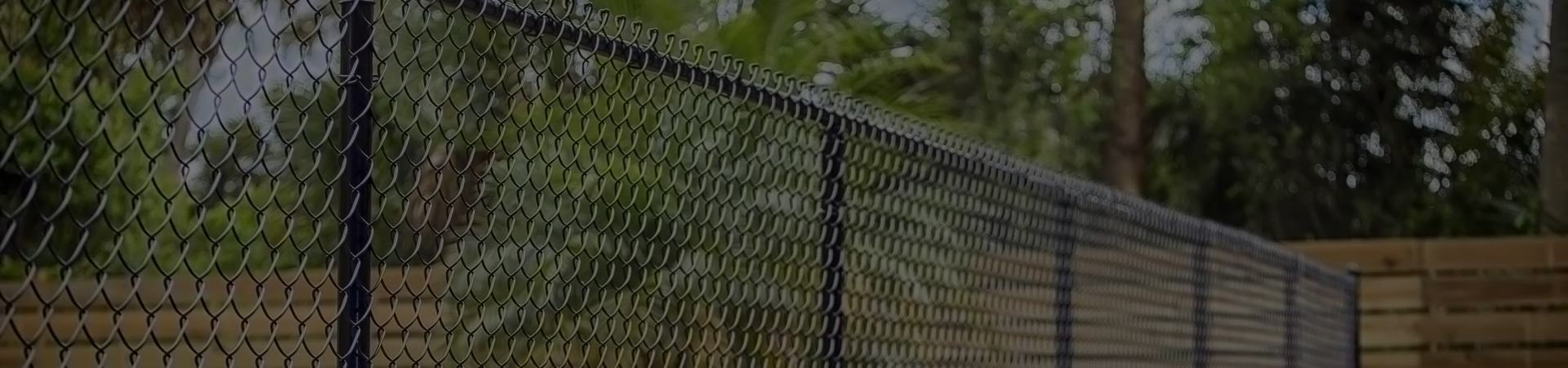
The BRC fence is ideal for schools and public facilities. Many educational institutions and public areas face challenges such as safety, vandalism, and aesthetic concerns. It is crucial to choose fencing that meets these needs. BRC fencing provides a sturdy option, enhancing security while also looking good. This type of fencing plays a significant role in keeping areas safe. Understanding these benefits can help decision-makers choose the best option for their facilities. 
In summary, **BRC fencing is the perfect solution for schools and public facilities due to its durability, aesthetic appeal, and low maintenance needs.** This makes it a popular choice for ensuring safety and enhancing the visual environment in various locations.
BRC fences are made from high-quality materials, which give them exceptional strength. They are resistant to rust and corrosion. This means they can last for years without significant wear. Facilities can rely on them to withstand harsh weather conditions.
One key benefit of BRC fencing is its visual appeal. These fences come in many colors and designs. This allows schools and public facilities to choose options that match their overall design theme. This aesthetic flexibility can enhance the look of the surroundings and create a welcoming environment.
Safety is a primary concern for schools and public facilities. BRC fences provide a secure boundary, preventing trespassing and vandalism. The design of the fence is strong enough to deter unauthorized access while allowing visibility. This is crucial for ensuring the safety of students and the general public.
Investing in BRC fencing is cost-effective. While the initial cost may seem higher than other options, the durability leads to long-term savings. Facilities save on replacement costs and reduced maintenance expenses. Therefore, many educational institutions find it a valuable investment.
Another advantage is that BRC fences require very little maintenance. Unlike wooden fences, which may rot, BRC fencing does not need to be painted or stained regularly. A simple wash is usually sufficient to keep them looking great. This aspect allows schools to focus resources on education rather than upkeep.
BRC fences have a low environmental impact. Their materials are often recyclable, which helps reduce waste. Additionally, their longevity means fewer fences need to be produced over time, supporting sustainable practices in the community.
In conclusion, the BRC fence is an excellent choice for schools and public facilities. Its durability, aesthetic appeal, and low maintenance needs make it stand out among fencing options. By choosing BRC fencing, institutions can address safety concerns while enhancing their environments effectively.
1. What materials are BRC fences made from? BRC fences are typically made from high-strength wire that is galvanized to resist rust and corrosion.
2. How long do BRC fences last? BRC fences can last many years, often 20 years or more, depending on environmental factors and maintenance.
3. Can BRC fences be painted? While BRC fences come in various colors, they can also be painted if a new color scheme is desired.
4. Are BRC fences easy to install? Yes, BRC fences are relatively simple to install, usually requiring fewer tools and expertise compared to other fence types.
5. Are there any special maintenance requirements for BRC fences? No, BRC fences typically require minimal maintenance, only occasional cleaning to remove dirt and debris.
6. Why should schools choose BRC fencing over other types? Schools should choose BRC fencing for its balance of durability, aesthetic appeal, and low long-term costs, ensuring a secure environment for students.