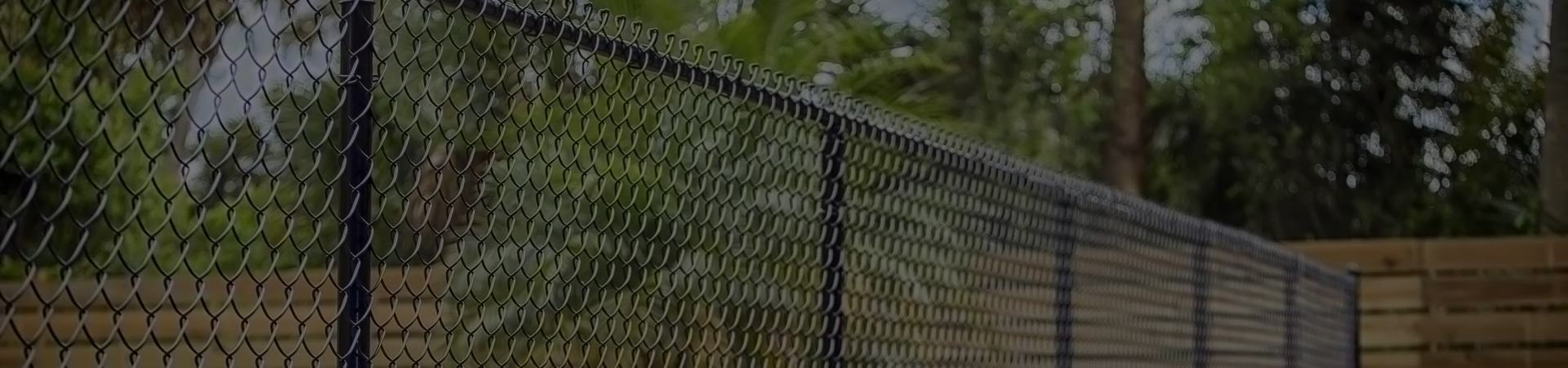
1. Understanding BRC Fencing
BRC fence, often referred to as welded wire fence or mesh fencing, is a popular choice for various applications due to its durability and security. It is made from high-quality steel wires that are welded at intersections to form a grid-like pattern. This type of fence is widely used in residential, commercial, and industrial settings. BRC fences have gained popularity due to their effectiveness in providing safety, ease of installation, and versatility.
2. Structure of BRC Fences
BRC fences consist of several key components, each contributing to the overall strength and functionality. Here’s a breakdown:
1. **Materials Used**
- The primary material is high-tensile steel, which is galvanized to prevent rust and corrosion.
2. **Design Elements**
- BRC fences typically feature vertical and horizontal wires, creating a grid pattern that enhances strength.
3. **Height and Gauge Options**
- Available in various heights and wire gauges to fit specific needs, typically ranging from 1.0m to 3.0m in height.
Material Quality
Quality is paramount; therefore,
Yubang sources only the best steel, ensuring long-lasting performance.
3. Key Features of BRC Fences
BRC fences come with distinctive features that make them stand out among other fencing options:
1. **Durability**
- High-tensile steel construction ensures a long lifespan and resistance to impact.
2. **Versatile Applications**
- Suitable for residential, agricultural, and industrial use.
3. **Aesthetic Appeal**
- Available in various colors and finishes to match the environment.
Weather Resistance
The galvanized finish provides excellent resistance to weather elements, ensuring minimal maintenance over time.
4. Applications of BRC Fences
BRC fences are utilized across a range of sectors, demonstrating their flexibility:
1. **Residential Security**
- Protects homes while allowing visibility.
2. **Industrial Boundaries**
- Used to secure factories and warehouses.
3. **Agricultural Protection**
- Keeps livestock in and prevents wildlife intrusion.
Case Study
In many regions, schools use BRC fences to ensure safety while providing an open view of the premises, enhancing security without creating a closed-off environment.
5. Comparison with Other Fencing Types
Here’s an easy-to-read table comparing BRC fencing with traditional fencing options:
| Feature |
BRC Fence |
Wooden Fence |
Chain Link Fence |
| Durability |
High |
Medium |
Medium |
| Maintenance |
Low |
High |
Low |
| Cost |
Moderate |
High |
Low |
| Security |
High |
Medium |
Low |
6. Step-by-Step Installation Process
Installing a BRC fence is a straightforward process if done correctly. Here’s a step-by-step flowchart guide to help you:
1. **Preparation**
- Gather materials and tools; ensure the area is clear.
2. **Post Installation**
- Dig holes for fence posts; place and secure posts in concrete.
3. **Panel Attachment**
- Attach the BRC panels to the posts using appropriate fixtures.
4. **Finishing Touches**
- Check the alignment and adjust if necessary; clean the area.
Tools Required
- Cement, post level, and gloves are among the essential tools for installation.
7. Conclusion
In summary, BRC fences stand out due to their robustness, versatility, and aesthetic appeal. Their application spans residential, industrial, and agricultural sectors, making them a premium choice for buyers and distributors. Understanding the structure, key features, and installation process is essential for leveraging the full benefits of BRC fencing solutions by
Yubang. As a decisive fencing option, BRC offers quality and security to meet various needs.