Feb. 13, 2026
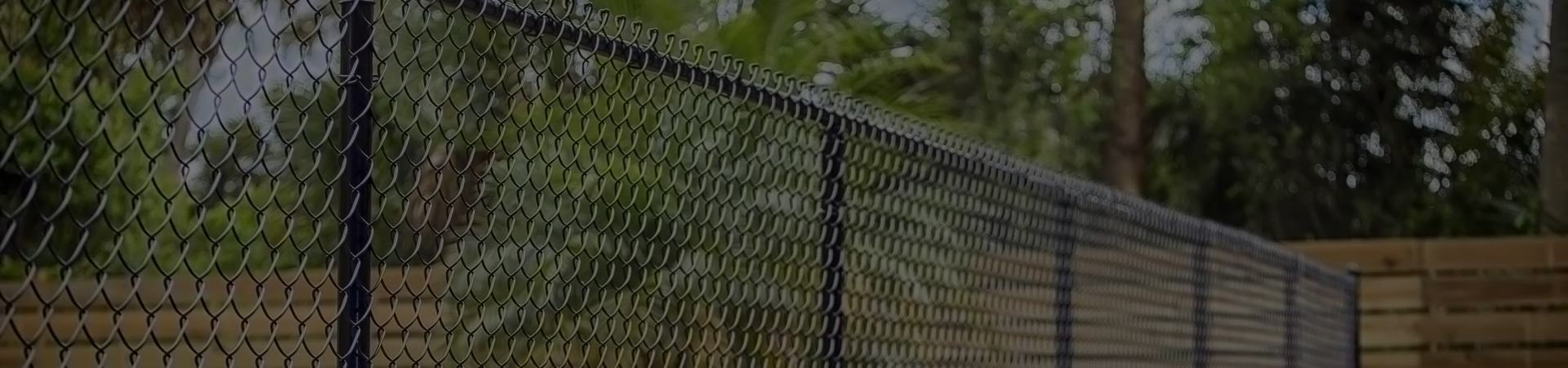
BRC fence is a popular choice for security because of its strength and durability. However, many people wonder how well it performs under extreme conditions. Wind and impact loads can pose serious challenges for any type of fencing. Understanding these challenges is crucial for homeowners and businesses alike. This article explores the performance of BRC fences, especially under harsh weather and high-stress impacts. We’ll discuss their resistance to bending, their sturdiness, and how they hold up in the face of challenges.

BRC fences perform effectively under wind and impact loads due to their superior design and manufacturing materials.
Wind loads are forces exerted by strong winds. These can vary significantly based on location. BRC fences are designed to withstand high wind speeds, reducing the risk of structural failure.
BRC fences have unique design features that improve their performance under wind loads. The mesh structure allows wind to pass through, which lowers the pressure on the fence. Engage with local weather data to find the wind rating critical for your area.
Impact loads can come from various sources, including vehicle collisions and falling debris. BRC fences are engineered to absorb and withstand these impacts without compromising integrity.
Many BRC fences undergo rigorous testing. Standards such as the ASTM (American Society for Testing and Materials) ensure that these fences maintain their structure during impacts.
BRC fences are made from high-quality steel that is galvanized for protection. This process prevents rust and corrosion, extending the life of the fence even in severe weather.
Long-term studies show that BRC fences remain effective for many years. They require minimal maintenance, making them a cost-effective choice.
In summary, BRC fences are excellent choices for wind and impact resistance. Their design, materials, and manufacturing processes enable them to withstand harsh weather and high-stress situations. If you seek reliable fencing solutions, BRC fences stand out due to their remarkable performance.
Typically, a height of 1.8 meters is recommended for optimal wind resistance.
Regular inspections and occasional cleaning are sufficient for maintaining a BRC fence.
Yes, the galvanization process protects against saltwater corrosion, making them suitable for coastal areas.